Sydney fire safety is more than just a matter of checking off boxes. The Annual Fire Safety Statement, or AFSS, is at the center of this system. The document not only fulfills all legal requirements, but shows a property owner’s commitment to safety and accountability. When it is paired with the Fire Safety Certificate, it provides the foundation for a structured framework that keeps residents safe, insurers confident and councils assured of the security of the city’s buildings.
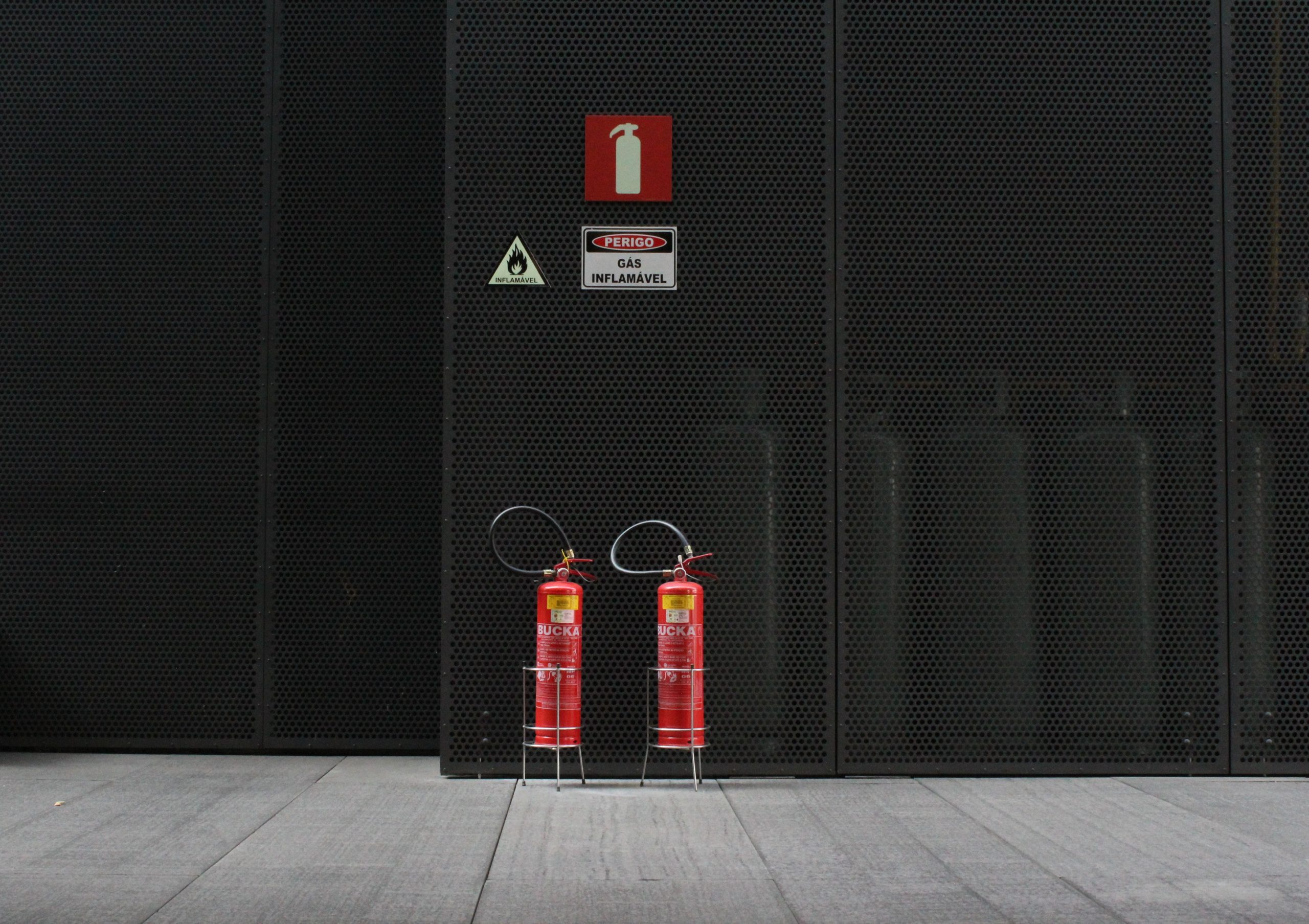
Why Fire Safety Annual Statement is in place?
The annual fire safety statement Sydney is not intended to be paperwork for the sake of completing paperwork. Systems for protecting against fire are only efficient if they’re maintained regularly tested, certified and verified. Sprinklers installed ten or more years ago might appear nice however they won’t be effective in a crisis in the event that they’re not checked.
The AFSS stipulates that property owners must prove, at minimum every year, that their fire protection measures, ranging from alarms to hydrants, to lighting at the exit, continue to meet the original standards established by the Building Code of Australia. This is more than an inspection. It’s an announcement to the world that lives will be protected and that the building is able to withstand in the event of a catastrophic fire.
The distinction between AFSS Certificates and Fire Safety Certificates
Owners frequently mistake the Fire Safety Certificate with the annual statement, but both certificates have different functions. The certificate is issued when an important upgrade or new system is put in place. It is a proof that the new measures are in compliance with the regulations before a building or tenancy can be leased. The AFSS however, on the other on the other hand, is later. It’s a recurring obligation that makes sure all systems meet standards every year.
Together, they form a cycle of protection: Certificates confirm that safety systems are properly installed and annually-reviewed statements confirm that those systems are maintained throughout the building’s life. Failure to finish either step will weaken the whole chain.
The responsibility of the building owner
In New South Wales, the AFSS process is unique in that the owner of the property bears the final responsibility. The AFSS does not have any hierarchy of defects, unlike other forms where they are classified as serious or minor. If even one measure fails the entire report cannot be validly issued.
The owners have to take an active role. To adhere to deadlines, they need to organize inspections, employ accredited professionals, schedule repairs, and send documents to the council. This responsibility includes coordination between tenants, contractors and insurance companies for strata and commercial landlords. comittees. The structure, though challenging but is designed to ensure that security is not affected or delayed.
The Impact of AFSS Beyond Sydney
The AFSS is not only concerned with legal compliance. It has more broader implications. Tenants typically inquire about the safety statements for a particular building when deciding whether to lease space. In addition, insurers typically require a copy prior to finalizing coverage. A fire safety declaration which is current could affect the worth of a building as well as the confidence of tenants and the cost of insurance.
For councils, it provides security that ensures that all buildings throughout Sydney are being regularly monitored. For fire authorities this means that systems are more likely to function in the event of an emergency, reducing hazards for both the occupants of the building and firefighters. The AFSS doesn’t just safeguard particular buildings, it also helps to make a city more secure.
Conclusion: AFSS as a Standard of Trust
The requirement of an annual Fire Safety Statement Sydney could be seen as an administrative burden however it’s really an act of confidence. It is a sign that the fire safety measures are not put at risk. It also demonstrates that the apparatus is reliable and that building owners take on their own responsibility for their tenants wellbeing. When paired with a fire safety certificate, it completes a system that verifies both the installation and the ongoing performance of critical safety measures.
Owners of property can learn an important lesson: AFSS are more than just a simple date. It is a commitment to security, accountability and community confidence. The AFSS is a valuable asset in Sydney’s rapidly growing urban environment where thousands of residents rely on safe and safe structures.